Saturday, August 22, 2020

Healthy Seeds

 Healthy Seeds:

Seeds contain the materials that will develop into plants.  For this reason they are extremely nutritious.  Seeds  are a great source of fiber.  They contain healthy monounsaturated fats, polyunsaturated fats, and many important vitamins, minerals, and antioxidants.  When eaten as part of a healthy diet, seeds can help reduce blood sugars, cholesterol, and blood pressure.


Heare are six of the healthiest seeds you can eat.  Each has been covered separately in this blog:

Flax Seeds:

A one ounce (28 grams) serving of flax seeds contasins as wide mix of nutrients.  They are an excellent source of fiber, omega-3 fats, lignans, and other nutrients.  Best eaten ground because their fibrous outer shell can not be digested.  A lot of evidence shows they may reduce cholesterol, blood pressure and even the risk of cancer.

https://fruitandveggiesense.blogspot.com/search?q=flax+seeds


Chia Seeds:  

Chia seeds are a good source of omega-3 fats, and are effective at lowering blood sugar and reducing risk factors for heart disease.  Like flax seeds, chia seeds contain a number of important antioxidant polyphenols. A study of 20 people with type 2 diabetes found that eating 37 grams of chia seeds per day for 12 weeks reduced blood pressure and levels of inflammatory chemicals including C - reactive protein.  https://fruitandveggiesense.blogspot.com/search?q=chia+seeds

Hemp Seeds:

An excellent source of vegetarian protein, hemp seeds are a complete protein source meaning they contain all the essential amino acids that your body cannot make itself.  Hemp seed oil may help reduce symptoms of eczema and other chronic inflammatory conditions.

https://fruitandveggiesense.blogspot.com/search?q=hemp+seeds

Sesame Seeds:

A great source of lignans which may help improve sex hormone status for estrogen.  Sesame seeds may also help reduce inflammation and oxidative stress.

https://fruitandveggiesense.blogspot.com/search?q=sesame+seeds
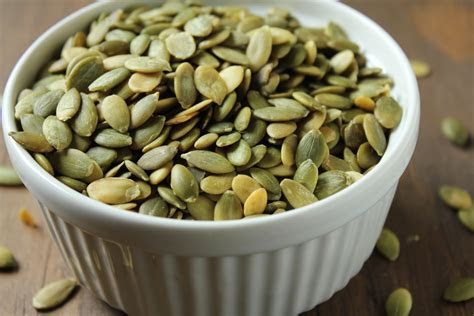

Pumpkin Seeds:

Pumpkin seeds and pumpkin seed oil are good sources of monounsaturated and omega-6 fats, and may help improve heart health and symptoms of urinary disorders.

https://fruitandveggiesense.blogspot.com/search?q=pumpkin+seeds


Sunflower Seeds:

Contain high levels of both monounsaturated and omega-6 fats and may help reduce  inflammation and cholesterol levels.

https://fruitandveggiesense.blogspot.com/search?q=sunflower+seeds


Seeds are a great source of healthy fats, vegetarian protein, fiber, and antioxidant polyphenols.  They can help reduce the risk of certain diseases.  The lignans in certain seeds may help lower cholesterol and the risk of cancer.

Eat seeds out of hand.

Add seeds to salads, yogurt, oatmeal, and smoothies. 

So, be healthy !  Eat some seeds !

Please comment and Share. 

Friday, August 7, 2020

Pumpkin Seeds

Pumpkin Seeds:


Pumpkin Seeds:

Pumpkin seeds, also called "pepitas", Spanish for "little seeds of squash" ,  are full of valuable nutrients.  They are used commonly in Mexican food, and are often eaten as a healthful snack.   They can be eaten raw or roasted and salted or unsalted.  Most pumpkin seeds bought at the supermarket do not have shells.

                 
Nutrition:In a one ounce serving:Fiber:  1.7 grams                                               Manganese:  42% RDICarbs:  5 grams                                                 Magnesium:  37% RDIProtein:  7 grams                                               Iron:  23% RDIFat:  13 grams                                                    Zinc:  14% RDIVitamin K:  18% RDI                                        Copper:  19% RDIPhosphorus:  33%  RDI
Pumpkin Seeds are high in Antioxidants and can help reduce inflammation and protect your cells from harmful free radicals  and help protect against many diseases.Pumpkin seeds containessential amino acids such as tryptophan and glutamateDiets rich in pumpkin seeds have been associated with reduced risk of  stomach, breast, lung, prostate, and colon cancers.The magnesium if pumpkin seeds is needed for more than 600 chemical reactions in the body including: Controlling blood sugar; reducing heart disease risk; forming and maintaining healthy bones; regulationg blood sugar levels.Researchers have suggested that pumpkin seeds help protect against type 2 diabetes, or reduce its complications in other ways such as improving insulin regulation and protecting organs against the consequences of diabetes.Adding pumpkin seeds to your diet:  As an out of hand snack; sprinkle into salads, soups, cereals, cooked vegetables , and stir fries.  Add to smoothies and Greek yogurat and fruit.  Pumpkin seeds can be found readily in stores year round.  Hulled pumpkin seeds should be stored in air tight containers in the refrigerator to prevent deterioration.I love them !

Friday, July 3, 2020

Hemp Seeds

Hemp Seeds

Hemp seeds are produced from the hemp plan (Cannabis sativa L).  Hemp is commonly confused with marijuana, as it belongs to the same family.  Actually, the two plants are quite different.  The most notable difference is the level of THC (delta-9-tetrahydro cannabinol).  Hemp contains less than 1% of THC, which is a psychoactive drug.  Marijuana contains up to 20%  or more. 

Hemp plants are cultivated for industrial use and harvested for their fibers, seeds, oils, and meal.    Industrial hemp seeds are available in different forms.  They can be sterilized, toasted, roasted, or cracked.  They can be pressed into oil, or hulled into meal.  Hemp thrives nearly anywhere tolerating a variety or growing conditions.  It is rarely affected by pests or disease.   Hemp products include hemp seeds, hemp milki, hemp oil, hemp cheese substitutes, and hemp protein powder.  These products can be purchased at most health food stores.  

Hemp seeds major producers include Canada, France, and China.  Interestingly, both George Washington and Thomas Jefferson grew hemp in their gardens.  Ben Franklin produced hemp paper in his mill, and hemp paper was used for the Declaration of Independence.

Industrial hemp has many uses from paper and textiles to plastic and fuels.  It can be used in place of traditional paper from wood  and be recycled more times than paper made from wood.   Plastic made from hemp is bio-degradable.  

Hemp seeds can be used in many food products.   Hemp seed food products are considered more allergy free than many other seeds.  Hemp seeds contain 20 different varieties of amino acids including the 9 essential amino acids for sustaining good health.   Hemp seeds contain the necessary fatty acids known as "good fats".    Hemp seeds contain high amouts of protein and fiber, both soluble and insoluble.


According to the USDA 3 TBS of hemp seeds contain 116 calories and these nutrients: 
 
Protein - 9.47 grams
Carbohydrates - 2.60 grams
Fat - 1.2 grams 
Total fatty acids - 14.62 grams
Monounsaturated fatty acids - 1.62 grams
Polyunsaturated fat - 11.43 grams
Saturated fatty acids -  1.38 grams

Hemp seeds contain a variety of vitamins and minerals and are especially rich in vitamin E , magnesium, phosphorus, and potassium.   They are a good source of iron, zinc, and B vitamins including niacin, riboflavin, thiamine vitamin B6, and folate.   The amount of omega-3's in hemp seeds and the seeds' healthful omega-3 to omega-6 ratio can together help to reduce inflammmation.
Hemp seeds are a rich source of gama linolenic acid (GLA), a poly unsaturated fatty acid which may also have anti-inflammatory effects.  Reducing inflammation may help managesymtoms of chronic diseases such as metabolic sytndrom, type 2 diabetes, arhtritis, heart disease, and non-alcohol related fatty liver disease.

 
Ways to incorporate hemp seeds into the diet:
  • Sprinkling whole or ground seeds on  cereal or yogurt
  • Adding the seeds to smoothies
  • Baking with hemp seeds and other rich omega-3s
  • Making hemp milk at home using whole seeds
  • Sprinkling hemp seeds along with other seeds or nuts on a salad.

Monday, May 25, 2020

Lentils

Lentils:

The lentil (Lens culinaris) is an edible legume.   It is a bushy annual plant known for its lens-shaped seeds.   As a food crop, the majority of the world production of lentils  comes from Canada, India, the United States, and Turkey.  Lentils are the oldest legume and among the earliest crops domesticated in the Old World.  Carbonized remains of lentils have been found alongside human habitatikons dating back to 11,000BC in Greece.  The lentil is indigenous to Western and Central Asia. 

Lentils are cooked worldwide, most widespread throughout South Asia, the Mediterranean, and West Asia.  In India lentils are part of the everyday diet with either rice, or roti (a flatbread).  Lentils are used to prepare an inexpensive and nutricious soup all over Europe and North and South America.

There are several varieties of lentils.  Here are the most common ones:

Brown - Most widely eaten type.  Have an earthy flavor, hold their shape well during cooking, and                    are great in stews.

Puy - Come from the French region of Le Puy.  Similar in color, but one third the size of green lentils.
          They have a peppery taste

Green - Can vary in size.  Usually a cheaper alternative to Puy.

Yellow and Red - Are split and cooked quickly.  Have a somewhat sweet and nutty flavor.

Beluga - Tiny black lentils that look almost like caviar.  Great base for a warm salad.

Lentils are packed with B vitamins , magnesium, zinc , and potassium.  They are over 25% protein, and a great source of iron.
Lentils are rich in polyphenols, a category of health promoting phyto chemicals, such as procyanidine and flavonols, known  to have strong antioxidant, anti-inflammatory, and neuroprotective effects.  In the lab the polyphenols in lentils were able to stop cancer cell growth especially on the skin.
Lentils may protect the heart by supporting weight loss, preventing homo cysxteine accumulation and improving cholesterol and blood pressure levels.

Lentils contain certain antinutrients such as trypsin inhibitors and phytic acid which reduces the absorption of some nutrients.  Prior soaking and cooking lentils will help minimize these, but regardless you will still absorb the majority of your nutrients. The low levels of readily digestable starch and high levels of slowly digested starch make lentils a good choice for people with diabetes.

Lentil Nutrition:
1 cup of cooked lentils (198 grams) provides:

Calories :  230
Carbs:  39.9 grams
Protein:  17.9 grams
Fat:  0.8 grams
Fiber:  15.6 grams
Thiamine:  22%  RDI (Recommended Daily Intake)
Niacin:  15.6 grams
Vitamin B6:  18% RDI
Folate:  90% RDI
Pantotheric acid:  13%  RDI
Iron:  37% RDI
Magnesium:  18%  RDI
Phosphorus:  36%  RDI
Potassium:  21%  RDI
Zinc:  17%  RDI
Copper:  25%  RDI
Manganese:  49%  RDI

Lentils are easy and quick to cook.  While it is not necessary to soak overnight doing so will help reduce the levels of antinutrients.   Lentils should be rinsed thoroughly to remove any dirt, foreign matter or small stones.   Place the rinsed lentils in a pot and cover with water, add as pinch of salt.  Bring to a boil and simmer uncovered for 15 to 20 minutes.  They should be slightly crunchy or soft according to preference.  Once  boiled drain and rinse with cold water to stop cooking.  Lentils will last up to 5 days in the refrigerator.

Plain cooked lentils as well as lentil soup can be found in cans.

I have loved lentils sinse I was a little kid.  My grandmother, who lived downstairs from us in Brooklyn, New York used to make them.  I called them "my favorite fruit".


Tuesday, January 14, 2020

Apple Cider Vinegar


Apple Cider Vinegar: 

About:

Apple cider vinegar is a vinegar made from fermented apple juice.  It is made by crushing apples, then squeezing out the juice.  Bacteria and yeast are added to the liquid to start the alcoholic fermentation process, which converts the sugars to alcohol.  In a second fermentation step the alcohol is converted into vinegar by acetic acid forming bacteria.  Acetic acid is what gives vinegar its sour taste and smell.

Apple cider vinegar has a long history as a home remedy.  Records show apple juice has been fermented into vinegar well before 5000 B.C.   The "mother" of  apple cider vinegar is the cloud of  yeast and bacteria in the cider.  It is probiotic which means it may give your digestive system a boost.
The main substance in vinegar, acetic acid, can kill harmful bacteria or prevent them from multiplying.  It has a history of uses as a disinfectant, and natural preservative. 


Adverse Effects:

People with allergies to apples may experience adverse reactions to apple cider vinegar.  Topical use of  ACV (Apple Cider Vinegar) to treat skin diseases may cause burns.  The use of ACV may cause  prescription drugs, such as insulin and other diabetic drugs, heart disease drugs, diuretics, and laxatives to not work as well.   Because of high acidity in ACV  it can damage your teeth, hurt your throat, and upset your stomach.  Regular consumption of ACV may cause a drop in potassium that makes your nerves and muscles work.


Effectiveness:

While there are many studies showing effectiveness of ACV for various applications,  Web MD states that there is no high-quality clinical evidence that regular consumption of ACV helps maintain or loose body weight, or is effective in managing blood glucose or lipid levels.   Research continues, however, and many uses for ACV have been shown.  

Nutrition:  

Apple cider vinegar probably contains pectin, vitamins B1, B2, and B6; biotin, folic acid, niacin, pantothenic acid and vitamin C. 
It also contains small amounts of minerals: sodium, phosphorus; potassium; calcium, iron; magnesium.
ACV also contains significant quantities of acetic acid and citric acid. 

Uses:

ACV is used alone or with honey for weak bones (osteoporosis), weight loss, leg cramps, and pain, upset stomach, sore throats, sinus problems, high blood pressure, arthritis, to help rid the body of toxins, stimulate thinking, slow the aging process, regulate blood pressure, reduce cholesterol, and fight infection.
ACV has shown great promise in improving insulin sensitivity and helping lower blood sugar responses after meals.
Several animal studies have shown that vinegar can reduce blood triglycerides, cholesterol, and blood pressure.  This could lead to reduced risk of heart  disease. Some studies in test tubes and rats have shown that vinegar can slow growth of cancer cells and shrink tumors.
ACV has various non-health related uses like hair conditioning, skin care, dental care, pet use and as a cleaning agent.  Some people apply ACV to the skin for acne, as a skin toner, to soothe sunburn, for shingles, insect bites, and to prevent dandruff.  It is also used in the bath for vaginal infections.
Studies suggest that vinegar can increase feelings of fullness and help people eat less calories which leads to weight loss. 

Taking ACV:

 It is recommended to use organic, unfiltered apple cider vinegar with the "mother".

The best way to use apple cider vinegar is to incorporate it into your diet by using it in cooking - for salad dressing, home made mayonnaise, etc.

Many people dilute apple cider vinegar in and 8 ounce glass of water or tea.

The daily dosage of ACV is from 1 - 2 teaspoons to 1 - 2 tablespoons per day either in water or Incorporated in food. 

If you find this post helpful, please Share it.

Sunday, June 16, 2019

Pink Himalayan Salt


Pink Himalayan Salt:


About:

Pink Himalayan salt is a type of rock salt or halite from the Punjab region of Pakistan.  These minerals give the salt its pink color, near the foothills of the Himalayans.  Pink Himalayan  salt is chemically similar to table salt.  It contains 98% sodium chloride.  The rest of the salt consists of 84 minerals and trace elements including calcium, magnesium, potassium, copper, and iron.

Uses: 

This type of salt is used the same as table salt: in cooking, to season food, and to preserve food.   Blocks of pink salt sometimes become serving dishes, cooking surfaces, and cutting boards.  Some people use pink Himalayan salt in place of bath salts to improve skin conditions and sooth sore muscles.  It is possible to buy lamps, and candle holders made of pink Himalayan salt, which are claimed to reduce air pollutants.

About Sodium:

Sodium is an essential trace element found in salt.  It can support contracting and relaxing muscles, maintain proper fluid balance and prevent dehydration, send nervous system impulses, and prevent low blood pressure.   Recent research suggests that eating salt can reduce the risk of infection, and kill harmful bacteria.  .  One study on animals found that salt may have a positive effect on symptoms of depression. 
Amounts of Sodium in Salt:
1/4 teaspoon - 575 mg sodium
1/2 teaspoon - 1150 mg sodium
3/4 teaspoon - 1725 mg sodium
1  teaspoon - 2300 mg sodium

Dietary guidelines:  limit intake of sodium to less than 2.3 grams (2300mg, 1 teaspoon)

Here are serious health conditions linked to high sodium intake:
  • High blood pressure
  • Heart disease
  • Stroke
  • Liver damage
  • Osteoporosis
  • Kidney disease

Commonly Claimed Benefits of Pink Himalayan Salt:

  1. Improves respiratory diseases
  2. Balances your body"s pH
  3. Reduces signs of aging
  4. Improves sleep quality
  5. Regulates blood sugar
  6. Increases libido
There is actually no clear evidence to show that pink Himalayan salt provides more health benefits than regular table salt.  While pink Himalayan salt does contain several minerals not found in regular salt, these minerals are in very small quantities, and are unlikely to provide any health benefits.  
Pink Himalayan salt is a more natural salt  than table salt.  Table salt is usually heavily refined and mixed with anti-caking agents to prevent clumping, such as sodium alumnosilicate or magnesium carbonate.   Himalayan salt does not usually contain additives.

From Dr. Axe:


(adsbygoogle = window.adsbygoogle || []).push({});

amzn_assoc_ad_type = "contextual"; amzn_assoc_tracking_id = "fruita0f-20"; amzn_assoc_marketplace = "amazon"; amzn_assoc_region = "US"; amzn_assoc_placement = "OZL7KATSDNEQZ7CN"; amzn_assoc_linkid = "OZL7KATSDNEQZ7CN"; amzn_assoc_emphasize_categories = ""; amzn_assoc_fallback_products = ""; amzn_assoc_width = "300"; amzn_assoc_height = "250";

Saturday, June 1, 2019

Almonds

Almonds:

About:

While most people think of almonds as nuts, they are actually botonically seeds locked inside the almond fruit that grows on the almond tree.  Technically the almond fruit is a kind of drupe, rather than a nut.  It is actually a stone fruit, relataed to cherries, plums, and peaches.  

History:

Almonds were one of the first foods that humans domesticated.  Records exist from biblical times back to the Bronze age.  More than 80% of the world's almond production is from California.

Nutrition:

Nutritionally, almonds provide protein, antioxidants, healthy fat, fiber, vitamins, and minerals.  They are one of the most nutritious foods.

One ounce (a small handful) serving provides:

Fiber :  3.5 grams
Protein:  6 grams
Fat:  14 grams (9 of which are monounsaturated)
Vitamin E:  37% of the RDI
Manganese:  32% of the RDI
Magnesium: 20% of the RDI

Also contains amounts of copper, vitamin B2 (riboflavin), and phosphorus.

161 Calories
2.5 grams of digestible carbohydrates


 Health Benefits:
  1. Reduce heart attack risk: Those who consume nuts 5 times a week have a 50% reduction in heart attack risk.
  2. Lower bad cholesterol:  Almonds have a favorable effect on blood cholesterol levels.
  3. Protect artery walls from damage:  Flavonoids in almond skins work with vitamin E to reduce the risk of heart disease.
  4. Build strong bones and teeth:  Due to phosphorus.
  5. Provide healthy fats and aid in weight loss:  Those who ate nuts twice a weel were 31% less likely to gain weight. 
  6. Almonds lower the rise in blood sugar and insulin after meals.
  7. Provide good brain function:  Riboflavin and L-carnitine in almonds boost brain activity and may reduce the risk nof Alzheimer's
  8. Nourish the nervous system:  According to Ayurvida almonds help increase high intellectual levels and longetivity.
  9. Alkalize the body:  Almonds are alkaline forming lowering the risk of osteoporosuys, poor immune function, low energy, and weight gain.


While almonds are not considered a "Superfood", they are fairly nutritious.  Almonds are a good source of  fat, protein, fiber, vitamins, and minerals.


Ways to Eat Almonds:
  • Drink Almond Milk, a delicious alternative to cow's milk
  • Top off yogurt or oatmeal with almonds
  • Grind almonds with a little salt into almond butter for snacks
  • Include almonds in you protein or vegetable shake
  • Top salads with almonds
  • Crush almonds and use as a garnish
  • Sprinkle almonds on the top of a pizza 
  • Use Almond flour in place of wheat flour
(adsbygoogle = window.adsbygoogle || []).push({});

amzn_assoc_ad_type = "contextual"; amzn_assoc_tracking_id = "fruita0f-20"; amzn_assoc_marketplace = "amazon"; amzn_assoc_region = "US"; amzn_assoc_placement = "OZL7KATSDNEQZ7CN"; amzn_assoc_linkid = "OZL7KATSDNEQZ7CN"; amzn_assoc_emphasize_categories = ""; amzn_assoc_fallback_products = ""; amzn_assoc_width = "300"; amzn_assoc_height = "250";