Showing posts sorted by relevance for query oatmeal. Sort by date Show all posts

Thursday, December 21, 2017

Oats

Oats:

About:

The oat (Avena sativa) is a member of the grass family of plants sometimes called the "common oat".Oats are suitable for human consumption as oatmeal and rolled oats.  Oats are a nutrient rich food associated with lower blood cholesterol when consumed regularly
Oatmeal is made of hulled oat grains - groats - that have been either milled (ground), steel-cut, or rolled.  Ground oats are also called "white oats".  Steel-cut oats are known as "coarse oatmeal" or "Irish oatmeal" or "pinhead oats". Rolled oats can be either thin or thick and may be called "old fashioned", "quick" or "instant".
The oat grains are dehusked by impact, then heated and cooled to stabilized the oat groats - the seed inside the husk.  The process of heating produces a nutty flavor in the oats,  These oat groats may be milled to produce fine, medium, or coarse oatmeal.  Steel-cut oats may be small and contain broken groats from the dehusking process (these bits may be steamed and flattened to produce smaller rolled oats.)  Both types of rolled oats may be eaten uncooked as in muesli, or may be cooked with water to make porridge.  Rolled oats are steamed and flattened whole oat groats.  Old fashioned oats can be thick and take a while to boil into a porridge.  Quick-cooking rolled oats are cut into smaller pieces before being steamed and rolled.  Instant oatmeal is precooked and dried often with a sweetener such as sugar or flavoring.

History:

Ancestral wild oats are believed to have multiple centers of origin including one center in Southwestern Asia, as well as a center in the general area of the Mediterranean Sea.  As a family of plants, grasses (including  oats) evolved ten's of millions of years ago.  As a cultivated food, the planting of oats still goes back in time several thousand years.  
Today the Russian Federation remains the world's largest producer of oats with Canada coming in second.  Oats are grown throughout Europe and the Middle East.  Oats are also grown in the United States and Australia, and also in parts of South America and Mexico. 

Nutrition:

Unenriched oatmeal cooked by boiling or microwave is 84% water, and contains 12% carbohydrates, including 2% dietary fiber (7.5 grams) and 2% each of protein and fat.  In a 100 gram serving cooked oatmeal cooked oatmeal contains 17 calories and 29% of the Daily Value for manganese and moderate amounts of phosphorus and zinc.  In the phytonutrient category oats provide valuable amounts of beta-glucan and saponins.

Health Benefits:

Consuming oat bran or whole rolled oats can lower the risk of heart disease when combined with a low fat diet via the effect of oat beta glucan to reduce levels of blood cholesterol.    Oatmeal has proven ability to curb bad (LDL) cholesterol due to a type of fiber called beta-glucan.  The fiber in oatmeal helps you feel full and eat less later on during the day.  Fiber also eases constipation and helps control blood sugars.  Both oats and oatmeal may provide digestive benefits in connection with their ability to increase the viscosity of our digestive tracts.  Viscosity refers to the thickness of the contents and their likelihood to flow too quickly or too slowly through the digestive tract..  Intake of oats and oatmeal has been associated witah optimal levels of viscosity in which it becomes easier for food to pass through our upper digestive tract and improve our blood sugar regulation.  Healthy passage of oats through the digestive tract has also been associated with an increased feeling of fullness.  Smaller waist circumference, lower body mass index (BMI), and decreased risk of metabolic syndrome in adults has been associated with oatmeal intake.  The beta-glucan found in oats helps prevent abrupt increase in blood sugar levels after consumption.  Intake of oats and oatmeal has been shown to improve post-prandial blood sugar and insulin levels and also healthy levels of A1c.

Selecting and Storing Oats:

 Buy small quantities of oats at one time, since this grain has a slightly higher fat content than other grains and will go rancid more quickly.  Oats are generally available in prepackaged containers and bulk bins.  If buying from a bulk bin make sure the bins are covered, free from debris and that the store has a good turnover to insure the store has a good turnover to insure maximum freshness.  Smell the oats to make sure they are fresh.  When purchasing oats in bulk or packaged containers, make sure there is no evidence of moisture.  
Store oat in an airtight container in a cool, dry, and dark place where they will keep for approximately two months.  It buying prepared oatmeal products check the ingredients to insure the product does not contain any salt, sugar, or other additives.  


So, eat up.  Oats are good for you.

Saturday, March 30, 2019

Foods That Help You Live Longer

Foods That Help You Live Longer:


These are Foods that are scientifically proven to help you live longer and healthier lives.  The information is from a video posted by Chiropractor Dr. Alan Mandell.
The foods listed foods are anti-inflammatory, high in antioxidants, high in fiber, and also high in Omega 3 fatty acids.  I believe you should include as many of these foods as you can in your diet for a longer and healthier life.  I have included links to posts from this blog next to most of the foods. 

1.  Leafy Greens (spinach, kale, arugula) 

2.  Extra Virgin Olive Oil

3.  Walnuts


10.  Hot Peppers

11.  Salmon

12.  Dark Chocolate (more than 75% cacao) https://fruitandveggiesense.blogspot.com/search?q=chocolate


                          https://fruitandveggiesense.blogspot.com/search?q=mint


18.  Yogurt  


</

Saturday, June 1, 2019

Almonds

Almonds:

About:

While most people think of almonds as nuts, they are actually botonically seeds locked inside the almond fruit that grows on the almond tree.  Technically the almond fruit is a kind of drupe, rather than a nut.  It is actually a stone fruit, relataed to cherries, plums, and peaches.  

History:

Almonds were one of the first foods that humans domesticated.  Records exist from biblical times back to the Bronze age.  More than 80% of the world's almond production is from California.

Nutrition:

Nutritionally, almonds provide protein, antioxidants, healthy fat, fiber, vitamins, and minerals.  They are one of the most nutritious foods.

One ounce (a small handful) serving provides:

Fiber :  3.5 grams
Protein:  6 grams
Fat:  14 grams (9 of which are monounsaturated)
Vitamin E:  37% of the RDI
Manganese:  32% of the RDI
Magnesium: 20% of the RDI

Also contains amounts of copper, vitamin B2 (riboflavin), and phosphorus.

161 Calories
2.5 grams of digestible carbohydrates


 Health Benefits:
  1. Reduce heart attack risk: Those who consume nuts 5 times a week have a 50% reduction in heart attack risk.
  2. Lower bad cholesterol:  Almonds have a favorable effect on blood cholesterol levels.
  3. Protect artery walls from damage:  Flavonoids in almond skins work with vitamin E to reduce the risk of heart disease.
  4. Build strong bones and teeth:  Due to phosphorus.
  5. Provide healthy fats and aid in weight loss:  Those who ate nuts twice a weel were 31% less likely to gain weight. 
  6. Almonds lower the rise in blood sugar and insulin after meals.
  7. Provide good brain function:  Riboflavin and L-carnitine in almonds boost brain activity and may reduce the risk nof Alzheimer's
  8. Nourish the nervous system:  According to Ayurvida almonds help increase high intellectual levels and longetivity.
  9. Alkalize the body:  Almonds are alkaline forming lowering the risk of osteoporosuys, poor immune function, low energy, and weight gain.


While almonds are not considered a "Superfood", they are fairly nutritious.  Almonds are a good source of  fat, protein, fiber, vitamins, and minerals.


Ways to Eat Almonds:
  • Drink Almond Milk, a delicious alternative to cow's milk
  • Top off yogurt or oatmeal with almonds
  • Grind almonds with a little salt into almond butter for snacks
  • Include almonds in you protein or vegetable shake
  • Top salads with almonds
  • Crush almonds and use as a garnish
  • Sprinkle almonds on the top of a pizza 
  • Use Almond flour in place of wheat flour
(adsbygoogle = window.adsbygoogle || []).push({});

amzn_assoc_ad_type = "contextual"; amzn_assoc_tracking_id = "fruita0f-20"; amzn_assoc_marketplace = "amazon"; amzn_assoc_region = "US"; amzn_assoc_placement = "OZL7KATSDNEQZ7CN"; amzn_assoc_linkid = "OZL7KATSDNEQZ7CN"; amzn_assoc_emphasize_categories = ""; amzn_assoc_fallback_products = ""; amzn_assoc_width = "300"; amzn_assoc_height = "250";

Saturday, August 22, 2020

Healthy Seeds

 Healthy Seeds:

Seeds contain the materials that will develop into plants.  For this reason they are extremely nutritious.  Seeds  are a great source of fiber.  They contain healthy monounsaturated fats, polyunsaturated fats, and many important vitamins, minerals, and antioxidants.  When eaten as part of a healthy diet, seeds can help reduce blood sugars, cholesterol, and blood pressure.


Heare are six of the healthiest seeds you can eat.  Each has been covered separately in this blog:

Flax Seeds:

A one ounce (28 grams) serving of flax seeds contasins as wide mix of nutrients.  They are an excellent source of fiber, omega-3 fats, lignans, and other nutrients.  Best eaten ground because their fibrous outer shell can not be digested.  A lot of evidence shows they may reduce cholesterol, blood pressure and even the risk of cancer.

https://fruitandveggiesense.blogspot.com/search?q=flax+seeds


Chia Seeds:  

Chia seeds are a good source of omega-3 fats, and are effective at lowering blood sugar and reducing risk factors for heart disease.  Like flax seeds, chia seeds contain a number of important antioxidant polyphenols. A study of 20 people with type 2 diabetes found that eating 37 grams of chia seeds per day for 12 weeks reduced blood pressure and levels of inflammatory chemicals including C - reactive protein.  https://fruitandveggiesense.blogspot.com/search?q=chia+seeds

Hemp Seeds:

An excellent source of vegetarian protein, hemp seeds are a complete protein source meaning they contain all the essential amino acids that your body cannot make itself.  Hemp seed oil may help reduce symptoms of eczema and other chronic inflammatory conditions.

https://fruitandveggiesense.blogspot.com/search?q=hemp+seeds

Sesame Seeds:

A great source of lignans which may help improve sex hormone status for estrogen.  Sesame seeds may also help reduce inflammation and oxidative stress.

https://fruitandveggiesense.blogspot.com/search?q=sesame+seeds


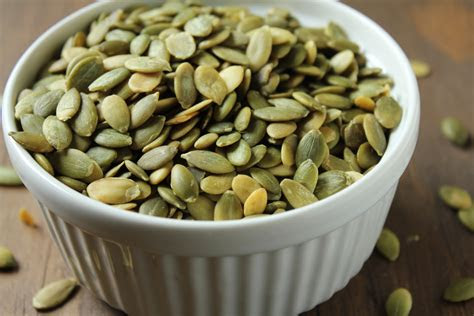
Pumpkin Seeds:

Pumpkin seeds and pumpkin seed oil are good sources of monounsaturated and omega-6 fats, and may help improve heart health and symptoms of urinary disorders.

https://fruitandveggiesense.blogspot.com/search?q=pumpkin+seeds


Sunflower Seeds:

Contain high levels of both monounsaturated and omega-6 fats and may help reduce  inflammation and cholesterol levels.

https://fruitandveggiesense.blogspot.com/search?q=sunflower+seeds


Seeds are a great source of healthy fats, vegetarian protein, fiber, and antioxidant polyphenols.  They can help reduce the risk of certain diseases.  The lignans in certain seeds may help lower cholesterol and the risk of cancer.

Eat seeds out of hand.

Add seeds to salads, yogurt, oatmeal, and smoothies. 

So, be healthy !  Eat some seeds !

Please comment and Share. 

Tuesday, August 21, 2018

Goji Berries

Goji Berries


About:

Goji berries or wolfberry is the fruit of either Lyciun barbarum or Lycium chinense, two closely related species of boxthorn or the nightshade family, which includes tomatoes and peppers.  Both species are native to Asia and have been long used in Asian cuisine. 


History:

Historically the plant has been harvested for thousands of years in Asia, particularly in China and Tibet.  It is mentioned in the ancient medical book, "Tractate for Herbs and Their Properties" claiming that goji berries can help restore lost body fluids, calm the soul, and rejuvenate the skin. 
The goji berry has been praised in Chinese literature particularly by the poet Liu Juncy from the Tan Dynasty.  In a poem he writes that the water surrounding goji berry shrubs may promote longevity.


Health Benefits:

 Even in a small serving goji berries are packed with nutrients, that can help promote optimal health.  The most well known benefits include;
  • Optimal Weight Management - Goji berries contain high levels of fiber, which can help you feel fuller longer
  • Healthy Vision - A recent study found goji berries contain zeaxanthan known for helping maintain healthy vision
  • Increased Testosterone Levels - Goji berries may help increase men"s testosterone levels.  In an animal study researchers discovered the goji berries improved sperm quantity recovery of testosterone levels and improved sexual ability in mice.
  • Diabetes Management - Researchers have discovered that goji berries contain hypoglycemic properties, which can benefit diabetes by helping control your blood sugar levels.
  • Cancer Prevention - Researchers tested goji berry extracts on cancer cells and found out that they induce apoptosis on the cancer effectively stopping it from spreading further. 


Uses:

Goji berries are mainly added to soups and salads, but they can be consumed as a beverage,. in tea. or juice.  Goji berries can be used for sweet and savory dishes.  They can be used in place of raisins in cookies and oatmeal.

You can eat goji berries:
  • Raw out of hand as a snack. Just use moderation.
  • Juice - goji berries can be juiced 
  • Tea - Add berries to a cup of warm water for 5 - 10 minutes until they are soft
  • Smoothie - Soak berries for 10 minutes to soften before adding to your favorite smoothie
  • Trail Mix - add to trail mix
  • Soups and Salads - just add a handful

Caution:

Goji berries have been found to affect functioning of the pancreas and the production of insulin.  The reaction is the opposite to that caused by diabetic medication.  Diabetic patients must avoid taking goji berries. 


So..... Eat up!  Enjoy!  I show you how.


Saturday, October 10, 2015

Boysenberries

Boysenberries:

About:

Boysenberries are an experimental cross developed by a man named Boysen who crossed the blackberry with a raspberry and got a slightly larger and sweeter berry that except for the color looks like a blackberry.  Boysenberries are more fragile than blackberries and have slightly softer seeds.  They are ripe when they turn a deep purple.  If they are too pale, they are bitter.  Boysenberries are one of the more popular varieties of the blackberry, other hybrids include the loganberry and the youngberry.  Boysenberries are characterized by their soft texture, thin skins and sweet tart flavor.  The boysenberry is large, dark purple, juicy, and intense in flavor.  It derives its unique flavor from the sweetness and floral flavor from the raspberry and a winy, feral tang from three native blackberry species. 

History:

In the 1920's George M. Darrow of the USDA began tracking down reports of a large, reddish purple berry that had been grown on Boysen's Northern California farm.  By 1940, 599 acres of land in California were dedicated to boysenberries. This number trailed off during WW II, but peaked again in the 1950's at about 2400 acres.  by the 1960's boysenberries began to fall out of favor because of the difficulty in growing and shipping  them.  As of the early 2000's fresh boysenberries are generally only grown for fresh market by small farmers, and sold from local stands and markets.  Most commercially grown boysenberries, primarily from Oregon, are processed into other products such as jam, pies, juice, syrup and ice cream.  Since 2007, a hybrid variety called the "newberry" or "ruby boysen"was developed to overcome some of the shortcomings that led to the decline in popularity of the boysenberry.

My story:

When I first heard the name "Boysenberry", the first thing that came into my mind was "poison berry".  That was something I was not interested in.  Poison berries!  No,  thank you.  Well, luckily for me, boysenberries was not something we saw very much of in the produce department.  It was only recently that I learned the origin of the name.  Today fresh boysenberries are mostly available from local stands and markets, not so much in the supermarket.  I felt much more comfortable with boysenberries  in a jar of jam or jelly, or a bottle of syrup.  Funny how a name can have that effect on you. 

Nutrition:

Boysenberries are fat free, saturated fat free, cholesterol free, sodium free.  They are an excellent  source of fiber, folate, and manganese.  They are a good source of vitamin K and vitamin C.

Health Benefits:

  • High in vitamin C and fiber, both of which have been shown to help reduce the risks of certain cancers.
  • Contain high levels of anthocyanins, which work as antioxidants to help to fight free radical damage.
  • Antioxidant levels in boysenberries are measured as double those in blueberries, a well known antioxidant.
  • Boysenberries contain ellagic acid, a compound known to fight cancer, viruses, and bacteria.

Season: 

Boysenberries are in season in late summer and fall.

Selecting and Storing:

Choose boysenberries that are shiny, plump, and firm.  Avoid berries that are bruised or leaking.  Mature fruit leaks juice very easily and can start to decay within a few days of harvest.   To store, remove any moldy or deformed berries.  Refrigerate up to 1 week in their original package.  Wash before using.

Uses:

You can enjoy boysenberries in a variety of ways.  They are available fresh, frozen, or canned.  They easiest way to eat boysenberries is out of hand.  You can also add them to a fruit salad.  They can be crushed and made into a puree, so you can prepare a smoothie.  Boysenberries can be used to make jams, jellies, syrups, or sauces.  You can add them to breads, muffins, and pie fillings  for a sweet delicious taste.  You can add a few to yogurt, oatmeal or make a syrup for pancakes.  Boysenberries are excellent with cream in cereal, with whipped cream, or on ice cream.  They can be used to make sorbet or ice cream.  They can be used in cobblers and deep dish pies.


So..... Eat up!  Enjoy!  I'll show you how.


(adsbygoogle = window.adsbygoogle || []).push({});
amzn_assoc_ad_type = "contextual"; amzn_assoc_tracking_id = "fruita0f-20"; amzn_assoc_marketplace = "amazon"; amzn_assoc_region = "US"; amzn_assoc_placement = "OZL7KATSDNEQZ7CN"; amzn_assoc_linkid = "OZL7KATSDNEQZ7CN"; amzn_assoc_emphasize_categories = ""; amzn_assoc_fallback_products = ""; amzn_assoc_width = "300"; amzn_assoc_height = "250";

Friday, May 30, 2014

Raspberries

Raspberries:

About:

Raspberry is the edible fruit of the multitude of plant species in the genus "Rubus" of the rose family.  Raspberries are an important modern commercial fruit crop, widely grown in all temperate regions of the world.  Raspberries are grown for the fresh fruit market and for commercial processing into individual quick frozen fruit, pure'e, jams, juice or as dried fruit used in a variety of grocery products.  Scientists are not entirely sure about the origins of raspberries.  There is, however, evidence dating back 2,000 years of raspberry cultivation in Europe.   Raspberries are the third most popular berry after strawberries and blueberries. 

Varieties:

There are over 200 species of raspberries.  Many of the raspberry species that are grown commercially can be placed in one of 3 basic groups.
  • Red raspberries:  may veer towards the pinkish side. They are among the most commonly cultivated.
  • Black raspberries:  may be dark enough to be indistinguishable from blackberries.  They are sometimes referred to as "thimbleberries".
  • Purple raspberries:  are a hybird from combining red and black raspberries

Nutrition:

The aggregate fruit structure contributes to raspberries' nutritional value as it increases the proportion of dietary fiber, which is among the highest known in whole foods.  Raspberries are rich in vitamin C, manganese, and dietary fiber.  Raspberries have a moderate amount of vitamin K and are a low glycemic index food.  Raspberries contain anthocyamin pigments, ellagic acid, quercetin, cyanidins, pelargonidins, catechins, kaempferial and salicylic acid.

Health Benefits:

The health benefits of raspberries are obtained from the entire fruit including the seeds.  Raspberries contain natural plant chemicals that act as antioxidants to locate and destroy disease causing free radicals.  The components in raspberry seeds may help prevent infections (bacterial and viral), heart disease, and cancer.  Few commonly eaten foods are able to provide greater diversity of antioxidants and anti-inflammatory phytonutrients.  New research shows raspberries can help with the management of obesity amd type 2 diabetes.  Raspberry ketone (also called rheosmin) found in raspberries can increase metabolism in our fat cells making them less likely to deposit fat in the cells.  In persons with obesity and type 2 diabetes tiliroside in raspberries can help improve insulin balance, blood sugar balance, and blood fat balance.  The rich antioxidant and anti-inflammatory mixture in raspberries also show benefits in cancer prevention. 

My Story:

In the supermarket raspberries were not really a high volume item due to the cost.  I remember one time, when raspberries were on sale, they really flew out the door.  It seemed to be mainly senior citizens,  who were buying them.  When we ran out, I was perturbed, and commented to the other guys, "What, do they help you in the bedroom?"   Well, a few weeks after that I read in the newspaper that raspberries did help with potency.  I laughed at the time and that's my raspberry memory, but I didn't find anything about  raspberries and potency while researching this blog. 

Selecting and Storing:

Raspberries are extremely perishable and should only be purchased one or two days before use.  Choose berries that are firm, plump, and deep in color.  Avoid those that are soft, mushy, or moldy.  If buying in a package, make sure they are not too tightly packed  so as to crush and damage the berries.  Stains of moisture in the package indicate possible damage.  
If not using immediately examine the berries and remove any that are molded or spoiled.  Store unwashed in a sealed container in the refrigerator for one or two days.  Raspberries freeze very well.  Wash gently and pat dry with  paper towel.  Arrange in a single layer on a flat pan and freeze.  Once frozen transfer the raspberries to a heavy plastic bag.  Keep frozen for up to a year. 

So.....Eat up!  Enjoy!  I'll show you how.

Simple but good:

Fresh raspberries  or a combination of raspberries, strawberries and blueberries:

Just spoon the berries onto yogurt, breakfast cereal, granola, or even oatmeal.  For extra flavor enhance with some fresh mint.


(adsbygoogle = window.adsbygoogle || []).push({});

Wednesday, June 6, 2018

Sunflower Seeds

Sunflower Seeds:

About:

The sunflower seed is the fruit of the sunflower (Helianthus anuus).  There are 3 types of commonly used sunflower seeds: linoleic (most common), high oleic, and NuSun (developed for sunflower oil. 
The world's production of sunflower seeds is led by Ukraine with 24% and Russia 21% of the world's total production.  China, Romania, and Argentina also contribute significant volumes. 

History:

According to the National Sunflower Association sunflowers are native to North America.  There is evidence that sunflowers were cultivated by native Americans since 3000B.C.   Sunflower seeds were discovered and taken to Europe and from there spread to Russia where they were first commercialized as a crop and harvested for their oil.  During the late 1800's they were brought  back to North America where they are popular for their oil, seeds, and as a beautiful addition to a garden.  

My Story:

My first memory of sunflower seeds was in shells in vending machines, where for a penny you could get a handful.  Later I remember my mother buying shelled sunflower seeds in a jar.  She kept up nutrition and would often buy a new food that had high nutritional value that she had read about.   I don't remember stocking sunflower seeds in the produce department.  They were kept in packages and jar in the grocery department of the supermarket. 

Nutrition:

Sunflower seeds are an excellent source of vitamin E and a very good source of copper and vitamin B1.  In addition sunflower seeds are a good source manganese, selenium, phosphorus, magnesium, vitamin B6, folate and niacin.
Sunflower seeds, like nearly all types of nuts and seeds provide a healthy source of essential fatty acids in the form of linoleic acid.  Sunflower seeds are an excellent source of fiber, amino acids (especially tryptophan) which make up the building blocks of proteins, B vitamins, phytosterols and more.

A 1/4 cup serving of sunflower seeds provides:

180 calories, 16 grams of fat, 6 grams of protein and 4 grams of fiber

RDA's:
82% of vitamin E
70% of copper
43% vitamin B1 (thiamine)
34% of manganese
34% of selenium
33% of phosphorus
28% of magnesium
28% of vitamin B6
20% of folate
18% of vitamin B3

Health Benefits:

High in vitamin E, the body's primary fat soluble antioxidant.  Vitamin E travels throughout the body and neutralizes free radicals that would damage fat containing structures and molecules.  E has significant anti-inflammatory effects that result in the reduction of symptoms of asthma, osteoarthritis, and rheumatoid arthritis.  Vitamin E has also been shown to reduce the risk of colon cancer, decrease the severity and frequency of hot flashes in menopausal women, and reduce the development of diabetic complications.  Vitamin E also helps in the prevention of cardiovascular disease. 
Phytosterols found in sunflower seeds are believed to reduce blood levels of cholesterol.  Sunflower seeds also contain cardio protective fiber.
Sunflower seeds are a good source of magnesium , which has been demonstrated to help reduce the severity of asthma, lower high blood pressure and prevent migraine headaches., as well as  reducing the risk of heart attack and stroke. 
Selenium in sunflower seeds is a trace mineral that is of fundamental importance to human health.  Selenium has been shown to induce DNA repair and synthesis in damaged cells, to inhibit the proliferation of cancer cells and to induce their apoptosis, the self destruct sequence the body uses to eliminate worn out or abnormal cells.

Uses:

Sunflower seeds are more commonly eaten as a snack than as part of a meal.  They can also be used as garnishes or ingredients in various recipes.  The seeds may be sold as in-shell seeds as dehulled kernels.  When in-shell seeds are processed .  They are first dried.  afterward they may be roasted or dusted with salt or flour for preservation of flavor.  in-shell sunflower seeds are particularly popular in the Mediterranean, Eastern European  and Asian countries where they can be bought freshly roasted and are commonly consumed as street food, the hull being cracked open witah the teeth and spit out.  In-shell sunflower seeds are also commonly eaten by baseball players as an alternative to chewing tobacco. 
Sunflower oil has become popular over the p ast few decades.  The oil is typically extracted by applying great pressure to the sunflower seeds and collecting the oil.

Selecting and Storing:  

Sunflower seeds are sold either shelled or unshelled and are generally available in prepackaged containers as well as bulk bins.  As with any bulk bin product, make sure the bins are kept covered and that the store has a good turnover to insure maximum freshness.  Once at home store in the refrigerator to retard oil in sunflower seeds from becoming rancid.

Ways to Eat Sunflower Seeds:

  • Add the seeds to homemade veggie burgers, meatballs, or meatloaves
  • Toss some seeds onto a salad or  use sunflower seed butter in a homemade sauce
  • Try adding them to tuna or salmon salad since they add a nice crunch and texture
  • Add some sunflower seed butter to your oatmeal in the morning, spread it on your sprouted grain toast instead of peanut butter, or add a tablespoon to your favorite healthy smoothie recipe
  • Add the seeds to any baked goods you make, including grain=free muffins, breads, and scones
  • Use ground sunflower seeds in place of chia seeds in any recipe, or sunflower butter in place of another nut butter

So......... Eat up !  Enjoy ! I show you how !


(adsbygoogle = window.adsbygoogle || []).push({});

Friday, September 8, 2017

Honey


Honey:


About:

Honey is a sweet viscous food substance produced by bees and some related insects.  Bees produce honey from the sugary secretions of plants(floral nectar) or other insects through regurgitation, enzymatic activity and water evaporation, and store it in wax structures called honeycombs,  Honey is collected from wild bee colonies, or from hives of domesticated bees, by a practice known as beekeeping. 
Honey gets it sweetness from mono saccharides and glucose, and has about the same relative sweetness as granulated sugar.  Most micro=organisms do not grow in honey, so sealed honey does not spoil even after thousands of years.  Honey contains 64 calories in a typical serving of 1 tablespoon.  It has no significant nutritional value.  
 As of 2014, the world's largest producer of honey was China, followed by Turkey and third the U.S. 

History:

Honey use and production have a long and varied history as an ancient activity as depicted by a cave painting of humans foraging  for honey at least 8000 years ago in Valencia, Spain. Over its history  as a food the main uses of honey are in cooking, baking, desserts, as a spread on bread and as an addition to various beverages such as tea and as a sweetener in some commercial beverages.  Honey barbecue and honey mustard are other common flavors used in sauces.

Shelf life:

The shelf life of honey is due to an enzyme found in the stomach of bees.  Glucose oxidase is mixed by the bees with nectar previously consumed by the bees which creates two by-products: glucosic acid and hydrogen peroxide which are responsible for honey's acidity and ability to suppress bacterial growth.  

Characteristics of Honey:

Most commercially available honey is blended , meaning it is a mixture of two or more honeys differing in floral source, color, flavor, density, or geographic origin.   Adulteration of honey is the addition of other sugars, syrups, or compounds to change its flavor or viscosity, make it cheaper to produce, or increase the fructose content to stave off crystallization.  In the US according to the National Honey Board which is overseen by the USDA,' honey' stipulates a pure product that does not allow for the addition of any other substance including water or other sweeteners.
Most commercially available honey in blended, mean it is a mixture of two or more honeys differing in floral source, color, flavor, density or geographic origin.  
Mono floral honey is made primarily from the nectar of one type of flower.  Different mono floral honeys have a  distinctive flavor and color because of differences between their principle nectar sources.  Typical examples of North  American mono floral honeys are clover, orange blossom, blueberry sage, tupelo, buckwheat, fire weed, mesquite and sour wood. 

Indications of Quality:

High quality honey can be distinguished by fragrance, taste, and consistency.  Ripe, freshly collected high-quality honey at 68 degrees F. should flow from a knife in  a straight stream without beading into separate drops.  After falling down the honey should form into a bead.  In jars fresh honey appear as a pure consistent fluid and should not set into layers. 

A 1980 study found that mixed floral honey from several U.S. regions typically contains:
Fructose.............38.2%
Glucose..............31.3%
Maltose...............07.1%
Sucrose...............01.3%
Water..................17.2%
Higher sugars.....01.5%
Ash.....................00.2%
Other undetermined... 03.2%


Classification by Packaging and Processing:

Crystallized honey: when glucose has spontaneously crystallized from solution.  Also called                                               granulated homey, can be returned to liquid by warming.
Pasteurized honey: heated in a pasteurization process (161 degrees F.) Heat affects appearance                                              (darkens), taste, and fragrance.
Raw honey:   As it exists in the beehive or as obtained by extraction, setting, or straining without                           adding heat.  Raw honey contains some pollen and may contain small particles of wax.
Strained honey: has been passed through a mesh to remove particulate material.
Filtered honey:  filtered to the extent that all or most of the fine particles, pollen, grains, air bubbles,                             or other materials have been removed.
Creamed honey: also called whipped honey, spun honey, churned honey or, honey fondant has been                              processed to control crystallization.
Comb honey: is still in the honeybee's wax comb.


Grades of \Honey:

In the U.S. honey grading is done voluntarily.  Honey is graded on the basis of many factors including water content, flavor and aroma, absence of defects and clarity.  Honey is also graded on the basis of color, though it is not a factor on the grading scale.
Honey is graded A, B, or C. 
 A - is for good normal flavor and aroma, free from caramelized flavor or objectionable flavors from fermentation, smoke, chemicals or other causes.  
B - is for reasonably good flavor and aroma . practically free from caramelized flavor.
C - is for fairly good flavor and aroma , and reasonably free from caramelized flavor.

Medical Uses:

Research into medical uses for honey is ongoing, particularly because of antimicrobial resistance to modern antibiotics.

Wounds and burns - to help healing.

Coughs - for chronic and acute coughs

Other - Honey is useful in controlling side effects of radiation therapy and chemotherapy.
Consumption of honey is sometimes advocated as a treatment for seasonal allergies due to pollen.
Honey contains an antimicrobial peptide effective for certain antibiotic resistant microbes.  Honey has both anti-bacterial and anti-inflammatory properties.


Benefits:

  • Natural Energy Booster
  • Immunity System Booster
  • Brain Booster 
  • Remedy for Ailments: cuts and burns, hangovers, sore throats, sleeplessness


Ways to Incorporate Honey in your Diet:

  1. Use honey to sweeten your dressings and marinades
  2. Stir honey into coffee or tea
  3. Drizzle honey on top of toast or pancakes
  4. Mix honey into yogurt, cereal, or oatmeal
  5. Spread raw honey onto wheat toast and cover with peanut butter.


Eat up.  Enjoy.  I'll show you how.


Simple but Good...........


Baked Honey Mustard Chicken:

6   Boneless, skinless chicken breasts
salt and pepper to taste
1/2 c. honey
1/2 c. prepared mustard
1 tsp dried basil
1 tsp paprika
1/2 tsp dried parsley
Preheat oven to 350 degrees F,
Sprinkle chicken breasts with salt and pepper and place into a 9 in x 13 in baking dish.
In a small bowl combine honey, mustard, basil, paprika, and parsley.  Mix well.  
Pour half of this mixture over the chicken and brush to cover.  Bake in preheated oven for 30 minutes.
Turn chicken pieces over and brush with remaining honey mustard mixture.  Bake for an additional 10 - 15 minutes, or until chicken is no longer pink and the juices run clear.  
Let cool for 10 minutes before serving.